For ex-corporate founders & fractionals ready to go from forgettable to magnetic

You feel invisible. And it's starting to cost you work you should be winning.

The people who've sat across from you get it immediately. The problem is everyone else is making decisions based on a version of you that doesn't exist anymore. And the clients you actually want are choosing someone else because of it. I take ex-corporate founders and fractionals who feel invisible from forgettable to magnetic.

Book a coffee chat 45 minutes. Virtual. No charge.
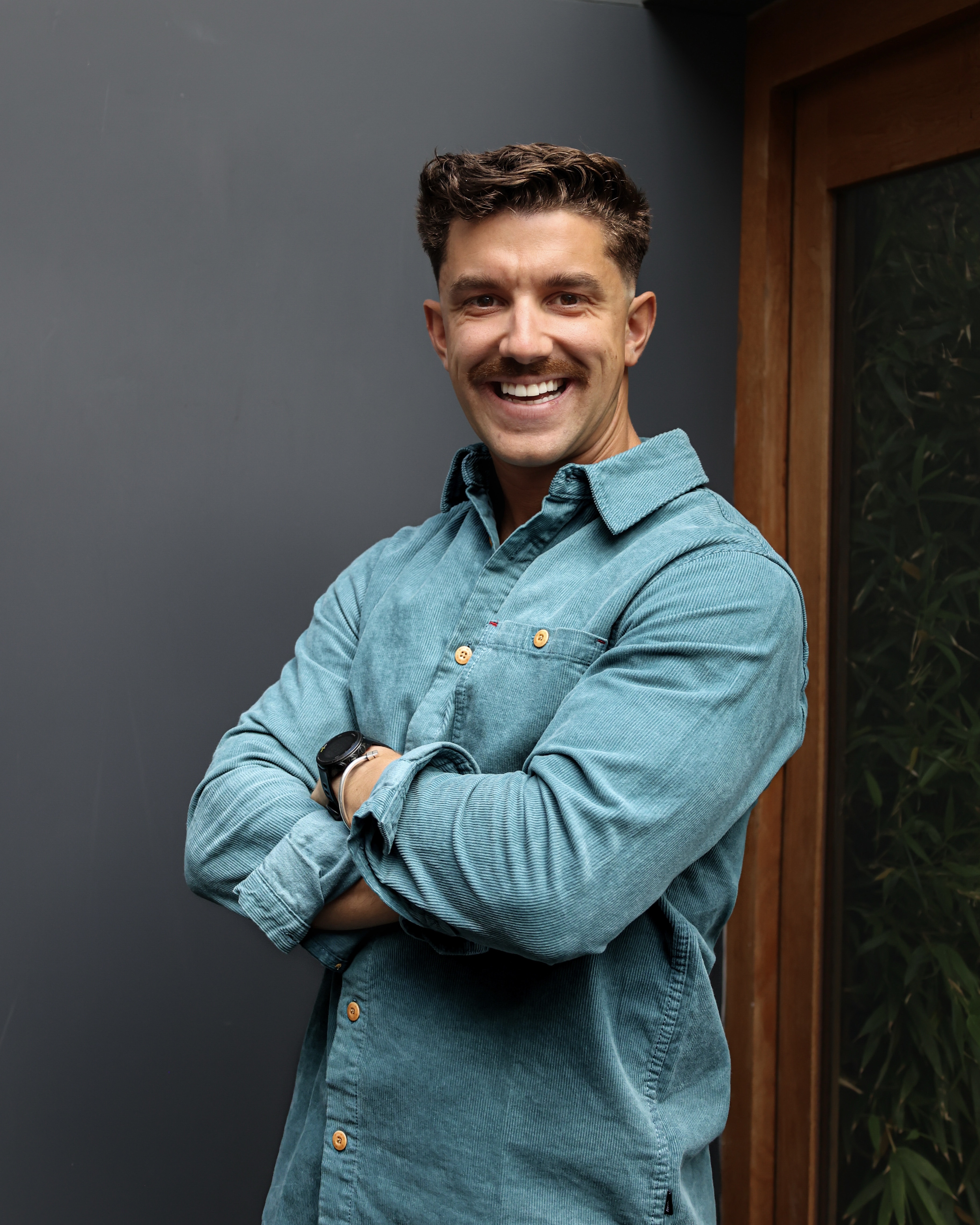

Ben Stickland
Invited to speak at
Heriot-Watt University University of Exeter
Is this you?

You know you're bloody good. So why doesn't the world see it?

  • In your corporate life you had credibility, context, and a room that already knew who you were. Now you're walking into conversations cold, as yourself, with no institution behind you. The confidence that felt natural in your old world doesn't automatically transfer to this one. That's not weakness. It's a completely different game.

  • Your network carried you for a while. Referrals came in and things felt good. Then it went quieter than you expected, and you realised you'd built everything on relationships that exist in people's heads but nowhere anyone can actually find you. Word of mouth has a ceiling. You've hit it.

  • You know what you do. You can articulate it brilliantly in a room. But sit down to write a post, a headline, or a two-line intro, and something shifts. The language that comes out sounds like the person you used to be, not the one sitting there writing it. It doesn't land. You know it doesn't land. And you post it anyway.

  • You've spoken to personal branding and social media people and felt worse for it. They told you what to post, how often, which hooks to use. Nobody asked what you actually stand for, how you work best, or what kind of clients you actually want to spend your time with. You left with a content plan that could belong to any Tom, Dick or Harry. That's not a personal brand. That's just noise with your name on it.

  • And it's not just on paper. You feel it at networking events, in sales conversations, any time someone asks "so what do you do?" The words come out vague, over-explained, or hedged, and you can see it on their face. When you don't sound certain about what you do, they're not certain either. That's a confidence and clarity problem. And it's costing you in every room you walk into.

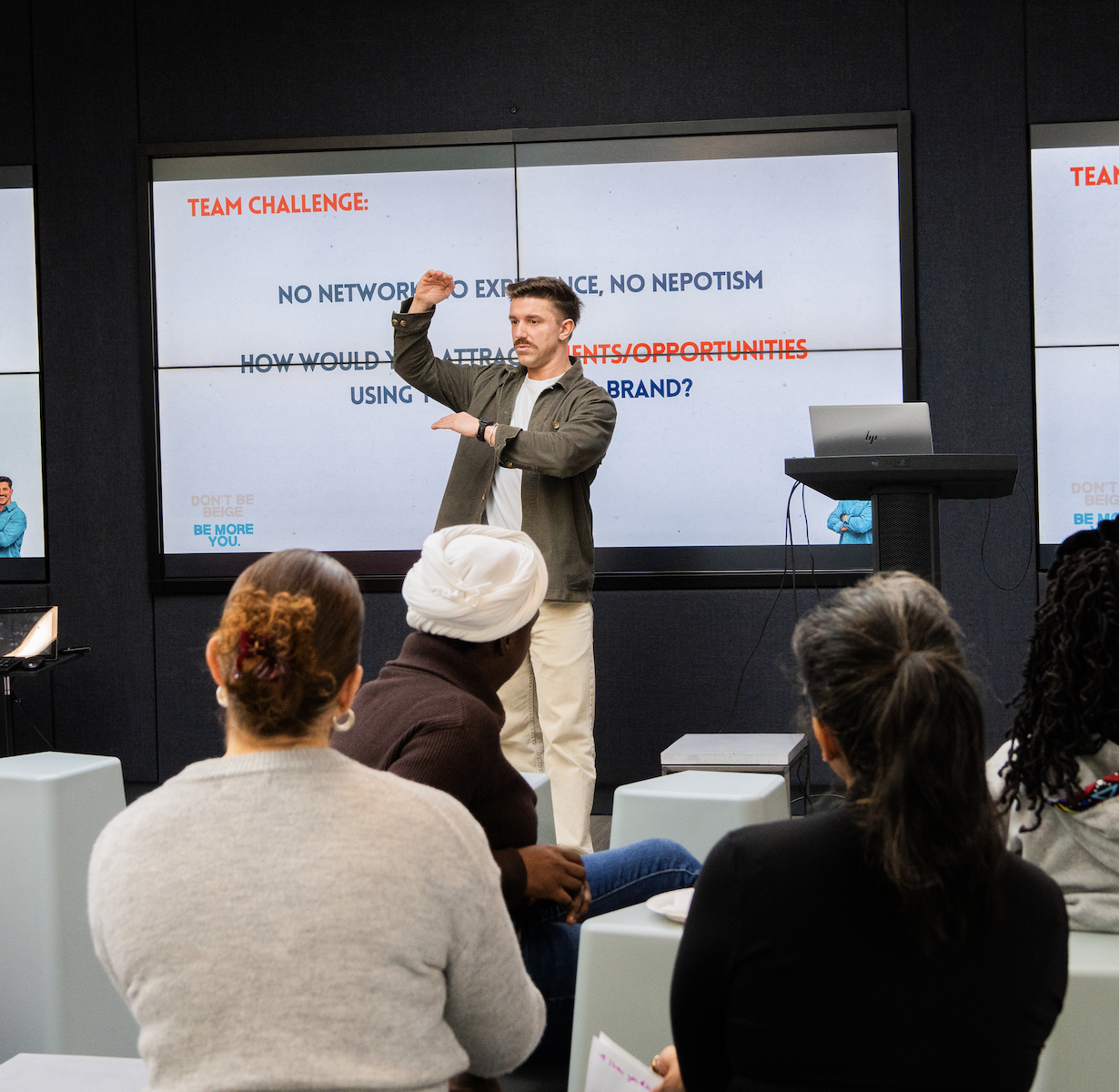
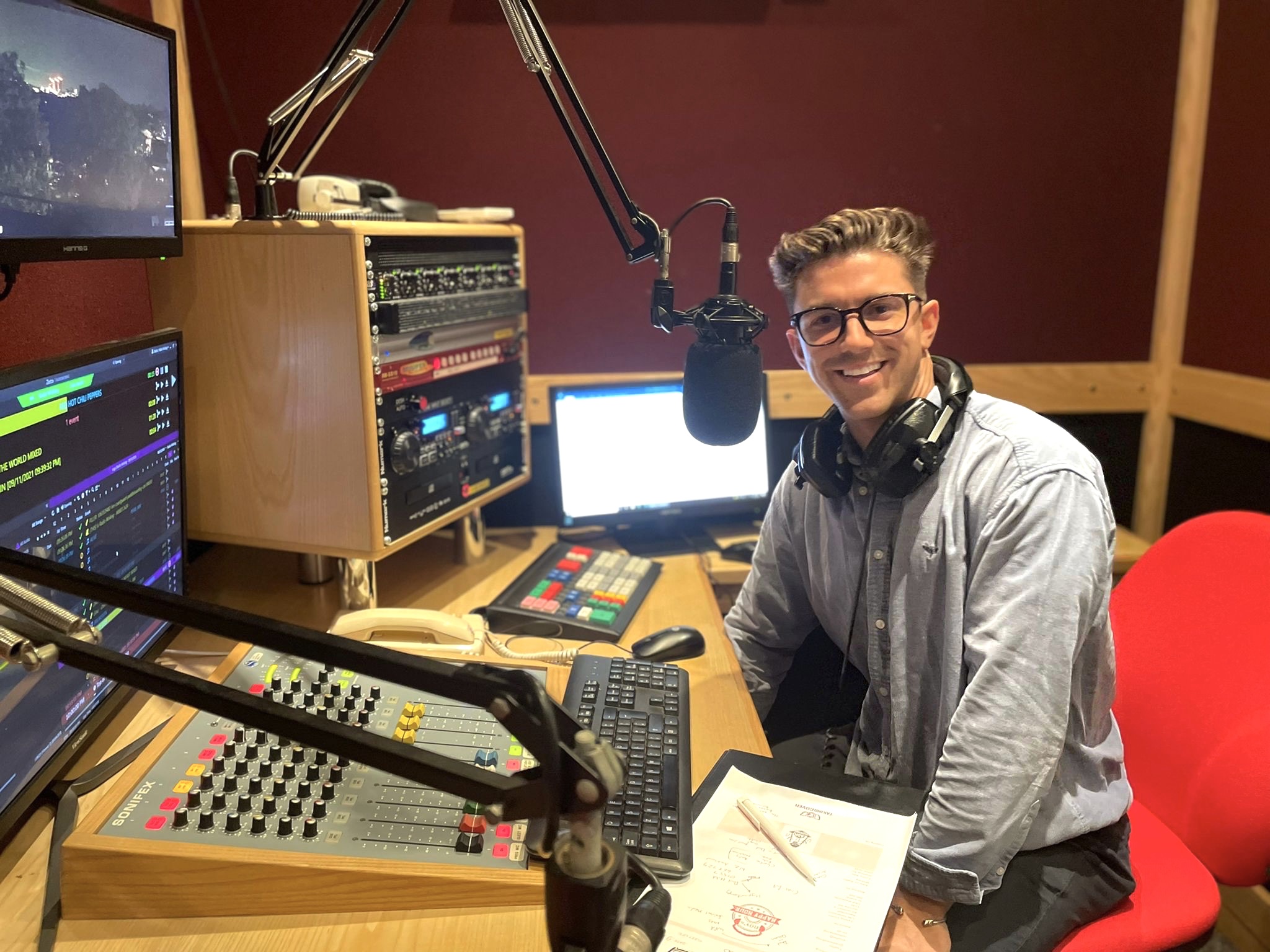
Ben Stickland speaking at Heriot-Watt University
"

"Soon after we started working together, I was invited to join a panel in front of 60 FTSE directors and CEOs by someone I'd never met. They wanted someone compelling, with a different perspective, who comes with a point of view and brings energy. That's what a personal brand that actually sounds like you can do."

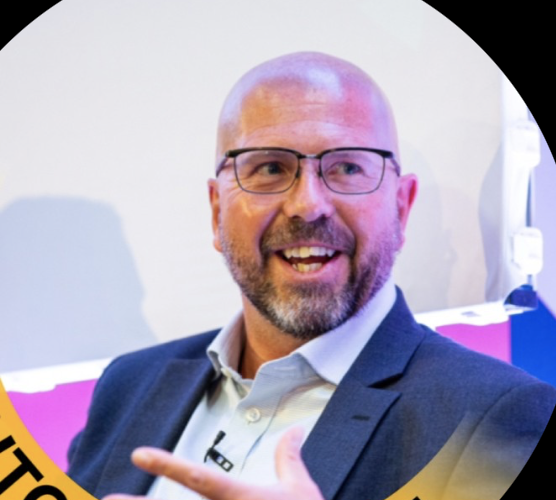
James Hartley
James Hartley Executive Coach & Founder, Ignition Craft
What shifts

What the other side actually looks like

Right now, work is coming through the right people at the right time, or it isn't coming at all. You're relying on luck and timing rather than a brand that pulls people in consistently. When your positioning is sharp and your voice is genuinely yours, that changes. The right clients find you, trust you before you've spoken, and arrive ready to buy. The wrong ones never bother.

01

Pre-sold clients who say "shit, you just get me"

When your positioning is genuinely yours — built from lived experience, real beliefs, and the lens you've earned through your career — the right people arrive already sold. They've decided before they've sent the first message. The wrong ones don't make it past your headline. Which is entirely the point.

"People are remembering my posts six to nine months after they went out. They're still talking about them. It's been distinctive, memorable, remarkable. The right people are paying attention and that's exactly what I wanted."
James Hartley, Executive Coach & Founder
02

The shift from second-guessing to conviction

That compounds in every direction. In pricing, in the clients you say yes to, in the ones you finally feel comfortable turning down. You stop seeking permission to be the person you already are in a room. Confidence doesn't come first. Clarity does. Then the confidence follows.

"Being able to put my personality, my passion, my experiences into my content worked in parallel with getting comfortable in my new identity. Confidence doesn't come first. Clarity does. Then the confidence follows."
James Hartley, Executive Coach & Founder
03

Pricing power that comes from being properly placed

When you're clear on what makes you different (not generically, but specifically, grounded in what you've been through and what you've learned from it) undercharging becomes uncomfortable. Standards rise. You stop apologising for your fees. You start attracting clients who see the value before you've had to explain it. Your personal brand becomes your number one sales tool, and that shows up in your bank account.

04

A personal brand that's a business development tool, not just visibility

Done right, your personal brand filters enquiries before they land, sharpens every sales conversation, and gives you the kind of commercial leverage that makes cold outreach feel unnecessary. Your IP (your experiences, beliefs, and the way you've arrived at doing what you do) is already there. Most founders just haven't documented it yet.

"For me it goes beyond personal branding. It's brand as a tool to build your business."
James Hartley
Ben Stickland
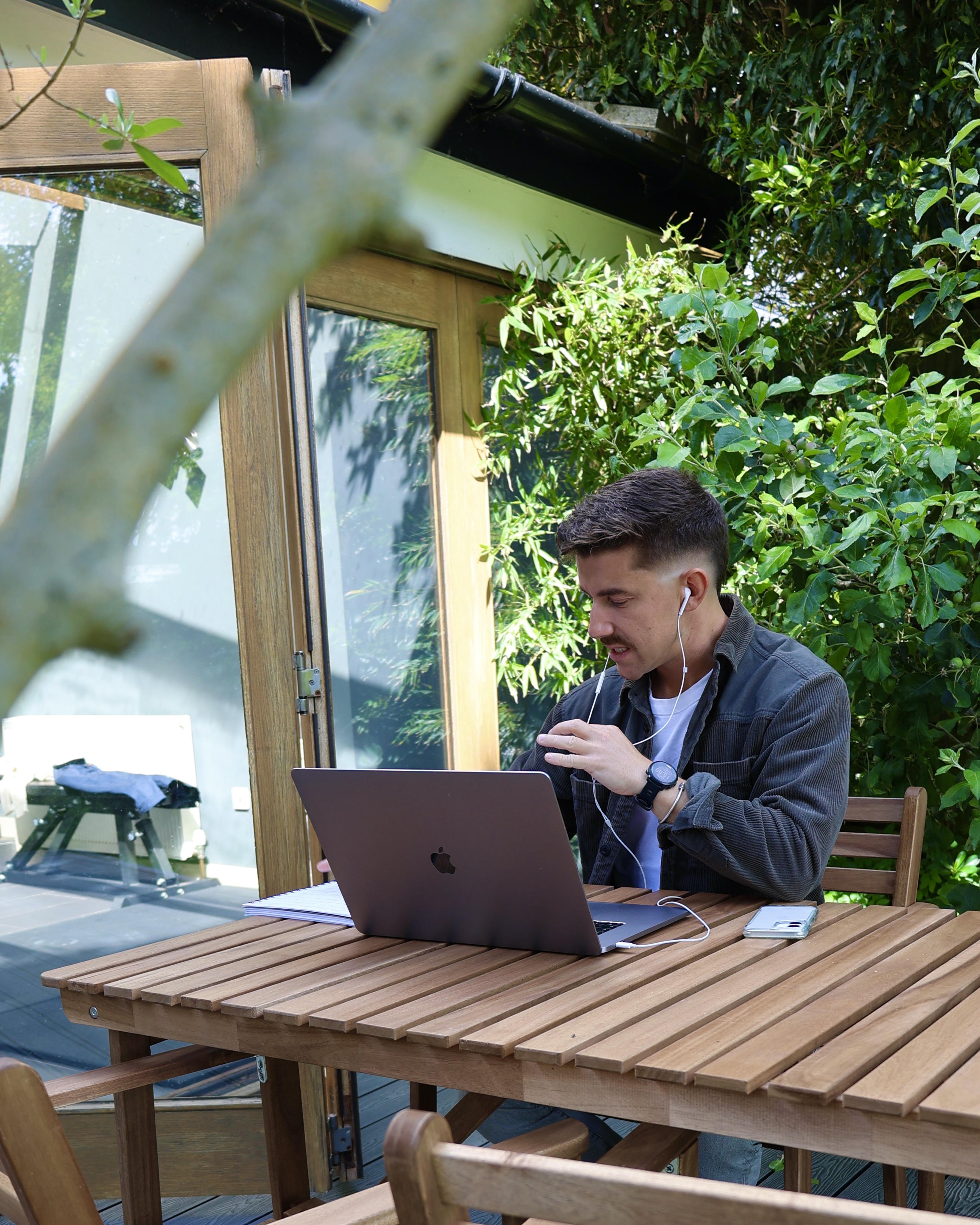
Ben in a session

No rigid structure. It unfolds around you.

How we work

No box. No template. No mini-me.

01

The Blueprint Call: 90 minutes

We start with a deep dive into you: your experiences, beliefs, values, the moves you made, the times it went wrong, and what all of it actually taught you. Most clients describe this as the most clarifying 90 minutes they've spent on their business. It's not therapy. It's extraction. We're surfacing the IP that's already there but hasn't been used yet.

02

Positioning, Messaging & Finding Your Frequency

We turn everything from Session 1 into something commercially usable. A positioning statement that sounds like you, language that cuts through, and a clear sense of what you actually stand for and against. Within 2 to 3 months, most clients find the content starts coming naturally. Not because they've found a formula, but because they've found their frequency. The right message, on the right station, at full volume.

03

Ongoing: Reactive, Real, and Commercial

From there, we follow your momentum. What conversations are you having? Where are you still performing instead of just being? What business development have you actually done, and what's it telling you? It's part strategy, part accountability, part blunt questions from someone who genuinely gives a shit. Not a playbook. Something that bends entirely around you. Most clients see real commercial shift within three to six months, because clarity compounds fast once the foundation is right. This isn't a slow burn. It's focused, and it moves.

What clients say

Don't take my word for it

James left a senior corporate career with 20 years of credibility, a portfolio of work he was proud of, and a personal brand that said almost none of it. He was brilliant in rooms and forgettable everywhere else, losing work to people with sharper positioning, not sharper skills. He came to work on his personal brand. What he actually got back was his identity.

"There are people who market themselves as branding for people like me, but all they want to do is sell you a generic model and fit you into a playbook. That's not what this is. It's situational, personalised, and it bends entirely around you. I came in thinking I needed a personal brand. What I actually got back was my identity."

James Hartley
James Hartley Executive Coach & Founder, Ignition Craft

"My concern was whether this would be genuinely strategic or just surface-level personal branding tactics. What I got was something deeper , frameworks that actually stick, not advice you forget after a week. Ben cuts through the noise, challenges assumptions without ego, and helps you articulate what's already there. It's about building real credibility and authenticity, not just showing up online."

Nikki McReynolds
Nikki McReynolds Founder, HushAway™

If you recognised yourself in any of that, let me buy you a coffee.

Book a coffee chat 45 minutes. Virtual. No charge.

Ben Stickland
Ben Stickland
Ben Stickland
Ben Stickland
A bit about me

From forgettable to formidable. I've done it. Now I build it for others.

Eight years ago I built a six-figure profit business from scratch with no team, no ad spend, and no safety net. Just a sharp message and the conviction to stand behind it. I know exactly what it feels like to have to answer "so what do you do now?" with something that actually lands rather than something that sounds borrowed.

The people I work with are some of the most credible, capable professionals I've ever met. The problem was never ability. It's that when you go solo, the institution disappears, and suddenly you have to be the brand. Nobody teaches you how to do that. I do.

I take founders and fractionals from masked to magnetic. From invisible to impossible to ignore. From pitching themselves in every conversation to having the right clients arrive already sold. If you're ready for that, I'm ready for you. If you're not, that's fine too.

"I'm not for everyone. But if what you've read here has resonated, that's probably not a coincidence."

Ben Stickland
The coffee chat

Ready to go from forgettable to formidable?

45 minutes. No pitch or waffle. I'll ask the questions that get to the real issue fast: why the right people aren't finding you, what it's actually costing you, and whether I can fix it. If I can see a clear problem I'm confident I can solve, I'll tell you straight. If I can't, I'll tell you that too.

Most people leave that conversation having named something they'd been feeling for months but couldn't articulate. That alone is worth the 45 minutes.

And yes , I'll actually buy you a coffee. Book the call and I'll send you a coffee via huggg.com so you can choose your favourite spot.

Book your coffee chat

Virtual. No charge.

Common questions

Things people usually ask

If you're weighing this up, you've probably got some version of these questions. Here are honest answers.

It's the gap between how powerful you are in a room and how the market sees you online: the work of closing it. Your personal brand is not a logo, a colour palette, or a content calendar. It's the accumulated impression people form about who you are, what you stand for, and whether they trust you enough to buy from you, recommend you, or open the door.

For founders specifically, it's one of the most underused commercial tools available. When it's working, the right clients arrive already half-sold. When it isn't, you keep explaining yourself from scratch and wondering why the referrals aren't converting.

Every client is different. Some get clarity moving within two to four weeks. Others take a few months. It depends almost entirely on the work you put in and whether you actually follow through on what comes out of our sessions.

Anyone selling you a 30-day transformation is selling you gym membership in January. Technically possible, practically unlikely. The founders who see real commercial shifts are the ones who commit to the full process and stop looking for the shortcut. The earlier you start, the earlier it starts working. The months you spend meaning to sort it are not neutral. They cost you.

Marketing is what you say. Personal branding is who's saying it, and whether anyone believes them. You can have brilliant marketing copy and a forgettable brand. You can also have a relatively scrappy online presence and an extraordinary brand, because people who've met you trust you completely.

The goal is to make both work together. Sharp positioning and a distinctive voice mean your marketing lands harder, your content filters the right people in, and your sales conversations start from a completely different place. Personal branding done properly becomes your number one sales tool. Without it, marketing is just noise with your name on it.

Ask yourself three questions. Are the right people reaching out, or are you fielding enquiries from people you'd never want to work with? Do the conversations you're having feel like you're convincing people, or are they arriving already bought in? And if someone followed your content for six months, would they know exactly what you stand for, who you help, and what makes you different?

If the answer to any of those is no, your positioning isn't working hard enough. A well-positioned online presence should filter people out as effectively as it filters people in. If it's not doing both, it's not clear enough.

Because corporate trained you to be invisible in exactly the right way. Blend in with the brand. Stay on message. Don't overshadow the institution. Be promotable, not polarising. For 20 years that was the right instinct, and it worked. Then you went solo and tried to apply the same rules to a context where they actively work against you.

When you go solo, the institution disappears. There's no logo to hide behind, no job title to lead with, no company reputation to borrow. You are the brand now, and most ex-corporate founders haven't been asked to just be themselves since before they had a career. The shift isn't about confidence. It's about unlearning the conformity that got you where you were, so you can show up as the person you actually are now. That's exactly the work.

No , and if you're waiting until you do, you'll be waiting for a while. Clarity isn't a prerequisite for this work. It's the output of it. Nobody starts with a fully formed point of view, a sharp offer, and total confidence in their positioning , that's precisely why they come.

The thinking you need to build a credible personal brand emerges through the process: the right questions, the honest reflection, the conversations. Waiting until you feel ready is how founders end up six months further down the road in the same fog. You don't find clarity first and then start. You work your way to it.

No. The founders who get the most from this work are not chasing follower counts. They want pre-sold clients, stronger positioning in sales conversations, pricing power, and the ability to filter out the wrong people before they ever get on a call.

Visibility for its own sake is vanity. Visibility that converts is a commercial strategy. The goal is not to be famous. The goal is to be unmistakably clear to the right people, so that when they find you, they already know you're the one.

Every market is crowded unless you're a duck herder in Switzerland. The founders who succeed in crowded markets aren't in an empty lane. They're just impossible to confuse with anyone else.

"The market's too crowded" is almost always a confidence problem dressed up as a market problem. The crowded market isn't the obstacle. The lack of a sharp, distinctive personal brand is. And that's fixable.

A copywriter sharpens your words. A social media manager schedules them. Neither of them tells you who you are, what you actually stand for, or whether your positioning is attracting the wrong people.

The work I do starts before any of that: identity, positioning, and the commercial direction that makes everything else coherent. Once that's clear, a good copywriter becomes significantly more effective. Without it, you're just producing polished content that doesn't convert.

It starts with a 90-minute Blueprint Call, a deep dive into your experiences, beliefs, values, goals, and what makes you genuinely interesting and different. No templates. No personality frameworks that put you in a box. From there, the second session turns that into something usable: positioning statements, messaging, your About section, how you describe what you do in a room.

After that, sessions are reactive and evolving, tracking what conversations you're having, what content you're putting out, what's landing, and what's still too safe. The whole thing unfolds around you, not around a playbook.